Choose undercounter dishwashers for tight spaces and low-volume prep, or floorstand units for high throughput and heavy items. The right dishwashing equipment format depends on floor space, water pressure, and daily load volume.
- Undercounter dishwashers save floor space but handle smaller loads and lighter soiled dishes.
- Floorstand units process larger volumes and heavy equipment but need more floor area and stronger drainage.
- Check water pressure, utility access, and workflow path before choosing a format.
- Match the machine to the actual load: prep bowls, glassware, or cookware.
- Plan service access and door swing clearance during the selection process.
How the Two Formats Differ in Size and Load
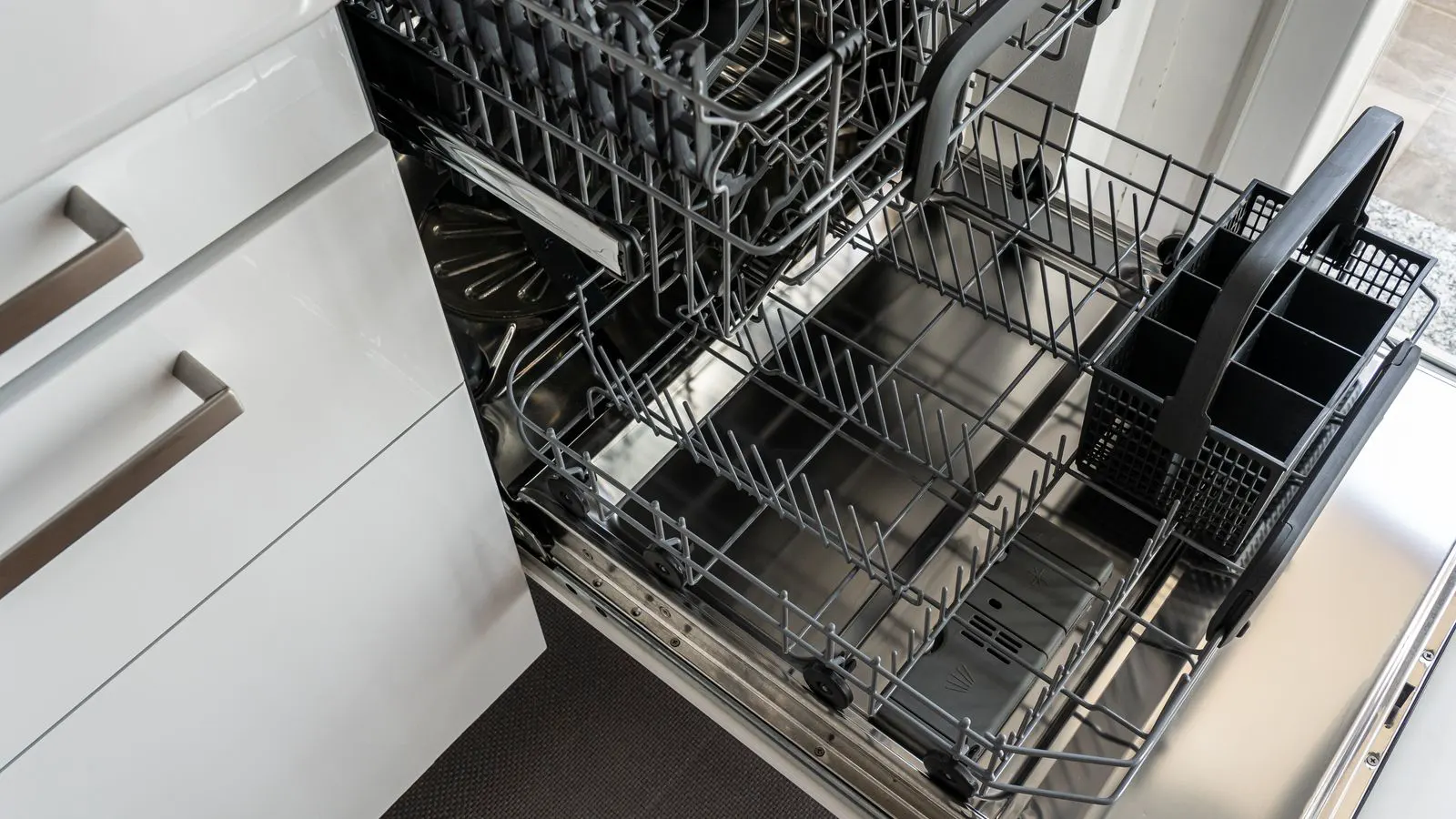
Undercounter dishwashers sit below a worktop or counter. They are built for compact installations, often used in prep areas, small back-of-house rooms, or satellite kitchens. The machine is designed to fit under standard counter heights. The interior rack size is limited by the cabinet depth.
Floorstand dishwashers stand on the floor. They are taller and wider. The larger chamber fits bigger racks, trays, and heavier items like pots, pans, and sheet pans. The machine is independent of a counter. It requires clear floor space for loading, unloading, and maintenance access.
The choice between these two dishwashing equipment options is rarely about price alone. It is about where the dirty dishes arrive, how they are loaded, and how the machine fits into the rest of the kitchen layout.
| Option | Best for | Limitations |
|---|---|---|
| Undercounter dishwasher | Tight spaces, prep areas, low to medium volume, glassware and small plates | Limited rack size, cannot handle large cookware, needs counter space above, lower throughput |
| Floorstand dishwashers | High volume, heavy items, full-size cookware, dedicated wash rooms | Requires more floor area, needs strong drainage, can block workflow if placed poorly |
| Compact floorstand units | Medium volume, limited floor space, mixed loads | Still larger than undercounter, less capacity than full-size floorstand |
| High-speed floorstand models | Full service restaurants, high-volume prep, heavy soiled items | Higher utility load, larger footprint, more complex installation |
| Undercounter high-capacity models | Medium volume, limited floor space, larger plates | Still constrained by undercounter dimensions, heavier loads can stress the unit |
Where the Machine Fits in the Kitchen Layout
The layout determines the format. If the dishwashing station is under a counter in a prep room, an undercounter dishwasher is the natural fit. The worktop above can hold clean items or provide a staging area. The machine sits in a recessed cabinet or a built-in frame.
If the kitchen has a dedicated dish room or a corner with open floor space, a floorstand unit makes sense. The machine stands alone. Staff load from the side or front. Clean racks are pulled out onto a nearby rack or cart. This setup works well when the volume is high and the items are large.
Check the door swing. A floorstand unit needs clear space in front of it. Staff must be able to open the door fully, insert a rack, and close the door without hitting a wall or another appliance. Undercounter units have less door swing, but they also need clearance for the top access panel and any service panel.
A common mistake is placing a floorstand unit in a narrow corridor. The door opens into the path. Staff must step around the machine. This slows the workflow and creates a pinch point. Measure the floor area, not just the machine dimensions.
Throughput and Load Capacity
Undercounter dishwashers process fewer items per cycle. The rack depth is limited. You can fit plates, glasses, and small bowls. You cannot fit a full sheet pan or a large pot. This suits prep areas where the load is lighter and more frequent. Staff run short cycles throughout the day.
Floorstand units handle larger loads. The rack depth and height allow for full-size items. A single cycle can clear a full service load. This suits high-volume kitchens where the dirty dish pile grows quickly. The machine runs longer cycles to handle heavy soiling.
The throughput difference is not just about item count. It is about item size. A floorstand unit can process a tray of pans in one cycle. An undercounter unit may need two or three cycles for the same volume. If the kitchen serves large portions, the floorstand format is more practical.
Consider the wash cycle time. Undercounter units often have shorter cycles. This suits quick turnaround of glassware and small plates. Floorstand units may have longer cycles for heavy soiling. If the kitchen has a dedicated wash room, the longer cycle is acceptable. If the machine is in a shared prep area, the longer cycle can create a bottleneck.
Water, Power, and Drainage Requirements
Dishwashing equipment needs a reliable water supply and a proper drain. Undercounter units are often installed in existing kitchen wet areas. They may connect to the same water line as the sink. The drain is usually a standard floor drain or a connection to the sink drain.
Floorstand units draw more water per cycle. They may need a dedicated water line or a higher-pressure connection. The drain must handle a larger volume. A standard floor drain may not be enough. The installer may need a larger drain or a connection to a grease trap.
Check the water pressure. Low pressure can extend cycle times or reduce cleaning performance. If the water pressure is marginal, a smaller machine may perform better. A large floorstand unit may struggle with low pressure.
The power requirement is usually a standard electrical circuit. Both formats use the same voltage in most regions. The floorstand unit may draw more current during the heating phase. Check the circuit capacity. If the kitchen has many other appliances, the circuit may need upgrading.
Workflow and Staffing
The format affects how staff move through the kitchen. Undercounter dishwashers are often part of a prep workflow. A cook or prep worker drops dirty items into the machine. The machine is close to the work area. Clean items are lifted out and placed on the counter.
Floorstand dishwashers are often part of a dedicated dishwashing workflow. Staff move dirty items from the service area to the wash room. They load the machine, run the cycle, and unload clean items. The machine is away from the cooking line. This separation can be beneficial. It keeps the cooking area cleaner and reduces cross-traffic.
The staffing model matters. If one person handles both prep and washing, an undercounter unit is easier to manage. It is close by. If a dedicated dishwasher is on the team, a floorstand unit is more practical. The larger capacity matches the dedicated workload.
Consider the distance between the dirty dish source and the machine. A short distance is better. Staff carry fewer items over longer distances. If the dishwashing station is far from the main cooking line, a floorstand unit in a central location may reduce the number of trips. If the station is next to the prep area, an undercounter unit is convenient.
Maintenance and Service Access
Undercounter units are easier to clean but harder to service. The machine is set into the counter. Access to the pump, heater, and control panel may require removing the machine from the cabinet. This can be time-consuming.
Floorstand units are freestanding. They can be moved if needed. Access to the back panel and internal components is easier. The machine can be rolled out for service. This is a plus for preventive maintenance and troubleshooting.
Check the service clearance. Both formats need space for a technician to work. Undercounter units may need the counter to be lifted or the cabinet to be opened. Floorstand units need space behind the machine. If the unit is in a corner, the back may be blocked.
The filter and pump are the most common maintenance points. Both formats have these components. The undercounter unit may have a smaller filter. It clogs faster with heavy soiling. The floorstand unit has a larger filter. It handles more volume before needing cleaning.
When to Pick Each Format
Pick an undercounter dishwasher when floor space is limited. It fits in a prep area or a small kitchen. It handles lighter loads and shorter cycles. It is suitable for catering kitchens, small restaurants, and prep rooms. If the wash station is under a counter, this is the default choice.
Pick a floorstand unit when the volume is high. It handles larger loads and heavier items. It suits full-service restaurants, institutional kitchens, and high-volume prep areas. If the kitchen has a dedicated dish room, this is the practical choice.
Pick a compact floorstand unit when space is limited but the load is larger than an undercounter unit can handle. It is a middle ground. It is larger than an undercounter unit but smaller than a full-size floorstand. It works in medium-sized kitchens with mixed loads.
Pick a high-speed floorstand model when the volume is very high. It processes full service loads quickly. It suits busy restaurants and catering operations. The larger footprint and higher utility load are justified by the throughput.
Final Considerations
The choice between undercounter and floorstand dishwashing equipment is a layout decision. Measure the space. Check the water and drain connections. Match the machine to the load. Consider the workflow and staffing model. A small machine in a large kitchen creates a bottleneck. A large machine in a small kitchen creates a safety hazard.
The best format is the one that fits the kitchen. It processes the daily load without slowing the team. It fits the available space without blocking the workflow. It matches the utility requirements of the building. When the format is right, the dishwashing station becomes a smooth part of the kitchen operation.
Frequently asked questions
Can an undercounter dishwasher handle large pots and pans?
No. Undercounter dishwashers have limited rack depth. They are designed for plates, glasses, and small items. Large cookware requires a floorstand unit.
How much floor space does a floorstand dishwasher need?
A floorstand unit needs clear floor space for loading and unloading. The machine dimensions plus door swing clearance determine the required area. Measure the full footprint, not just the machine.
Is an undercounter dishwasher suitable for high-volume catering?
It depends on the volume. Undercounter units handle shorter cycles and lighter loads. For high-volume catering, a floorstand unit is more practical.
Can a floorstand unit be installed in a small kitchen?
It can, but it requires careful planning. The unit needs clear floor space and drainage. If the kitchen is tight, a compact floorstand model may be a better fit.
What is the main difference between undercounter and floorstand dishwashing equipment?
The main difference is size and capacity. Undercounter units fit in tight spaces and handle lighter loads. Floorstand units are larger and process heavier items and larger volumes.